Ultimate Handbook to Bed Bug Elimination: Achieve Long-term Results With Expert Tips
The "Ultimate Guide to Bed Bug Treatment" serves as an vital tool for homeowners dealing with the challenge of infestations. It outlines initial detection methods, practical do-it-yourself solutions, and necessary safety precautions. Recognizing when to seek professional assistance is equally important. As the guide progresses, it reveals not only remedial approaches but also ongoing prevention measures. The nuances of pest conduct and typical misunderstandings will be examined, establishing the foundation for a more knowledgeable method.
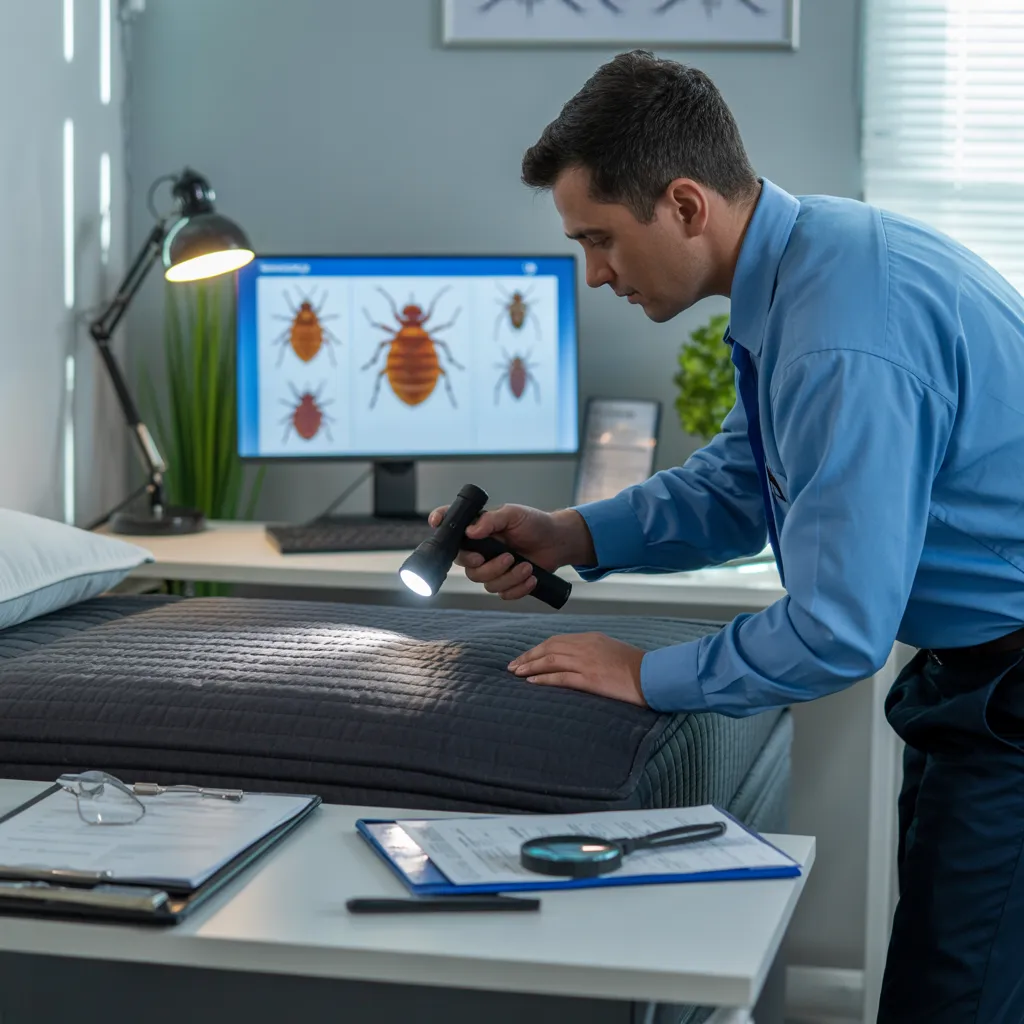
Technique to Recognizing Bed Bug Outbreaks Soon
How can an individual recognize bed bugs before they become a substantial concern? Early detection is necessary in preventing a small issue from mounting into a severe infestation. Signs include small brownish-red insects about the size of an apple seed, often tucking in crevices of mattresses, bed frames, and furniture. Additionally, dark spots on sheets or walls may signify bed bug feces. Periodically examining rest spaces is important; assessing seams, folds, and any nearby clutter can uncover hidden pests.
Another clue is the presence of shed exoskeletons, which bed bugs leave behind as they mature. Unexplained bites on the skin, often grouped in a line or cluster, may also indicate their existence. By being aware and preventative, individuals can identify potential infestations early, reducing the need for extensive treatments and ensuring a more pleasant living environment.
Successful self-help parasite remedy Solutions
In controlling bed bug problems, multiple effective DIY solution approaches can be used. Natural remedies, including essential oils, present a pesticide-free strategy, while heat-based treatment methods present a heated solution to eliminate pests. These tactics can empower people to address bed bug issues without professional intervention.
Natural Options for Bed Bugs
Bed bugs can be managed with natural solutions that offer a variety of efficient DIY treatment methods to aid in combating these persistent pests. One popular method is diatomaceous earth, a natural powder that breaks down the exoskeletons of bed bugs on contact, which causes dehydration. Another approach is using essential oils like tea tree oil or lavender, which have bug-repelling properties. Mixing these oils with water and spraying them in infested areas deters bed bugs. Additionally, washing bedding and infested fabrics in hot water followed by thorough drying removes eggs and adult bugs. Regular vacuuming of sleeping areas and furniture also cuts down bed bug populations successfully, making natural remedies a viable option for treatment.
Steam Treatment Techniques
While herbal treatments supply effective options for addressing bed bugs, steam treatment techniques deliver another powerful DIY technique. These methods leverage high-temperature steam to access surfaces where bed bugs lodge, promptly eradicating them on contact. A steam cleaner with a nozzle attachment is excellent for addressing infested areas, including mattresses, carpets, and furniture. The steam should reach at least 130°F (54°C) to confirm effectiveness. It is essential to operate the nozzle steadily and deliberately, allowing the heat to effectively eliminate the pests. Additionally, steam treatment is chemical-free, making it a safe option for households with children and pets. Regular application can help sustain a bed bug-free environment, complementing other treatment methods for best results.
Safety Tips for Treating Bed Bugs at Home
Successful bed bug treatment requires careful attention to protection to protect both residents and their possessions. When applying pesticide solutions, individuals should always read and follow product directions precisely to prevent dangerous contact. It is essential to air out the affected spaces properly, making sure that children and pets are kept away throughout and following treatment. Wearing protective gear, such as gloves and masks, can reduce contact with potentially harmful substances.
In addition, applying heat treatments demands caution; confirming that items vulnerable to high temperatures are taken from the area is vital. For steam treatments, operators should maintain a safe distance from surfaces to avoid burns.
Finally, correct removal of contaminated items, such as bedding or clothing, should be executed in closed containers to prevent spreading the infestation. By adhering to these precautions, residents can successfully handle bed bug treatment while protecting their health and environment.
Indicators You Should Seek Professional Help for Bed Bugs
Residents may deal with recurrent bed bug troubles despite following safety tips and initial treatment methods. Determining when to seek specialist assistance is critical for successful treatment. One significant sign is the recurring presence of bites on exposed skin, particularly after treatment attempts. If individuals discover live bugs or shed exoskeletons in their bedding or furniture, it demonstrates a more severe infestation.
Moreover, if DIY methods produce limited success after several weeks, expert assistance may be necessary. A strong, musty odor in the home can also indicate a bigger issue, as it suggests a significant population of bed bugs. Finally, if pest invasions spread to multiple rooms or neighboring units, urgent expert help is essential to prevent further escalation. Overall, timely action can protect residents from extended suffering and major harm to their living space.
Eliminating Prospective Bed Bug Issues
To successfully stop upcoming bed bug problems, staying alert and implementing proactive measures is crucial. Frequent checks of bedrooms, furnishings, and luggage can help identify early signs of bed bugs before they become a larger problem. Using protective covers on mattresses and box springs can establish a shield that repels these pests.
Moreover, minimizing clutter in home spaces limits potential hiding spots. When on the road, it is advisable to review hotel rooms and store luggage elevated. Laundering bedding and clothing on high heat can also get rid of any potential hitchhikers.
Finally, educating household members on bedbug prevention knowledge can be crucial; understanding how these pests spread enables everyone to take appropriate precautions. By adopting a forward-thinking strategy and fostering an environment of vigilance, the likelihood of subsequent pest problems can be significantly diminished.
Debunking Common Bed Bug Myths: What You Need to Know
Misconceptions about these insects can prevent effective prevention and treatment efforts. A frequent myth is that bed insects infest only dirty homes; in truth, they can live in any surroundings, regardless of hygiene. Another false belief is that these pests transmit diseases; this is incorrect; while they may cause irritation and anxiety, they are not known to spread pathogens. Additionally, many believe that extreme temperatures alone can eradicate bed bugs. Although thermal treatments can be effective, they require careful execution to guarantee all life stages are completely eliminated. Some also think that DIY solutions, such as essential oils, are sufficient for treatment. Nonetheless, professional pest control services are usually necessary for complete extermination. Finally, it is a misunderstanding that bed bugs only inhabit beds; they can hide in various areas, including furniture, clothing, and luggage. Knowing these falsehoods is crucial for the effective management of bed bug infestations.
What to Anticipate During Bed Bug Treatment
What should one expect during a bed bug extermination? First, a thorough inspection of the infested area is conducted by a pest control professional. This evaluation helps identify the severity of the outbreak and the most effective eradication techniques. Homeowners may be instructed to ready their home by decluttering, washing linens, and vacuuming carpets.
Throughout the procedure, assorted methods like heat treatment, chemical sprays, or a combination may be put to use. It's essential for dwellers to depart the premises for safety and performance.
Once treatment is completed, a follow-up inspection is ordinarily arranged to establish all bed bugs have been wiped out. Homeowners should remain vigilant, as some eggs may emerge after treatment concludes. Consistent monitoring and prevention tactics are important for sustained achievement. Overall, commitment and cooperation the pest control team are indispensable for securing lasting victories in the effort against bed bugs.
Often Posed Questions
Will Bed Bugs make it through Extreme Temperatures?
Bed bugs struggle to tolerate extreme temperatures. Extended contact to temperatures above 120°F (49°C) for at least 90 minutes can kill them, while freezing temperatures below 0°F (-18°C) can also destroy them, given informative guide ample exposure time.
Can Bed Bugs Transmit Diseases to Humans?
Bed bugs cannot transmit diseases to humans. However, their bites can create discomfort, allergic reactions, and secondary infections due to scratching. Vigilance and prompt action are required for treating infestations and associated symptoms.
How Extended Can Bed Bugs Exist Without Food?
Bed bugs manage to survive without feeding for several months, often between two to six months under ideal conditions. Their robustness enables them to tolerate prolonged stretches without a host, creating challenges for pest elimination efforts.
Do certain shades attract bed bugs more than others?
Bed bugs are primarily attracted to warmth and carbon dioxide rather than specific colors. However, some studies indicate they may favor darker shades, possibly because these shades can mimic the hiding spots they typically favor.
Can animals bring Bed Bugs Into the Home?
Pets can inadvertently transport bed bugs into the home, as these insects may attach to their fur or belongings. Frequent brushing and inspection can help minimize the risk of bringing bed bugs through pets.
Comments on “Local Experts Providing Bed Bug Treatment Services”